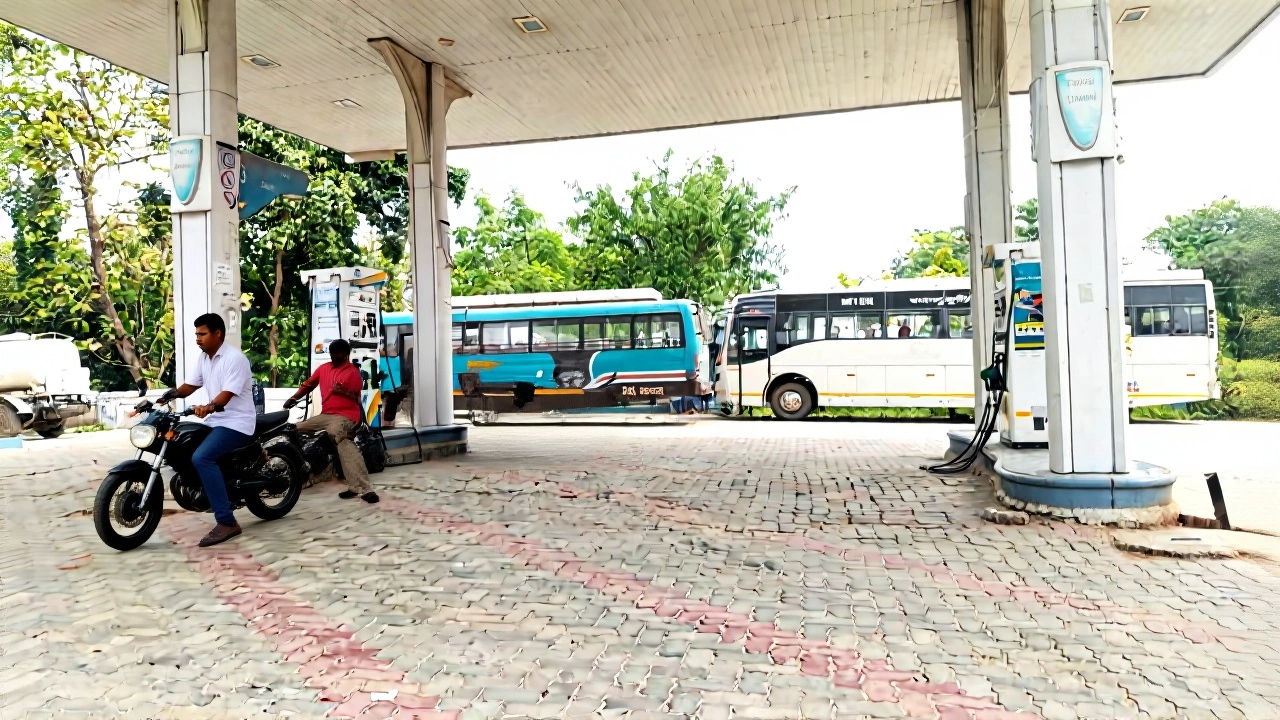
When Narendra Modi, Prime Minister of India, faces mounting pressure from rising living costs, the latest trigger isn't domestic policy—it's global chaos. In a startling turn of events over just ten days in May 2026, fuel prices across India skyrocketed, with petrol crossing the psychological barrier of ₹100 per liter in the capital for the first time in months. The surge has hit consumers hard, particularly in cities like Delhi and Chandigarh, where four consecutive price hikes have left commuters and transport operators reeling.
The situation is dire. On May 25, at exactly 6:00 AM, new rates came into effect, pushing petrol to ₹102.12 per liter and diesel to ₹95.20 in Delhi. But here’s the thing—this wasn’t a one-off spike. It was the fourth increase in less than two weeks. For the average Indian family, this means grocery bills, commute costs, and even medicine prices are about to get heavier. Why? Because when fuel gets expensive, everything else follows suit.
The Domino Effect: From Crude Oil to Your Cart
Let’s break down what’s happening behind the scenes. The root cause lies far beyond India’s borders. Tensions in West Asia, specifically involving Iran and the strategic Strait of Hormuz, have sent shockwaves through global energy markets. Crude oil prices have surged by over 88% due to these geopolitical frictions. Since India imports roughly 85% of its crude, we’re feeling the pinch directly.
Here’s how it translates to your wallet:
- May 15: Petrol and diesel both jumped by ₹3.00 per liter.
- May 19: A smaller but steady rise of ₹0.87 for petrol and ₹0.91 for diesel.
- May 23: Another hike of ₹0.90 for petrol and ₹0.91 for diesel.
- May 25: The biggest jump yet—₹2.61 for petrol and ₹2.71 for diesel.
In total, over these ten days, petrol became ₹7.38 more expensive per liter, while diesel rose by ₹7.53. That might sound small on paper, but multiply that by thousands of liters consumed daily across millions of vehicles, and you’ve got a massive economic strain.
Inflation Spikes: The Hidden Cost
But wait—the story doesn’t end at the pump. Economists warn that this fuel crisis is already feeding into broader inflation. According to recent data, Wholesale Price Index (WPI) inflation jumped from 3.88% in March to a staggering 8.3% in April 2026—a 42-month high. The biggest contributor? Fuel and power costs, which soared by 24.71% in a single month.
While Retail Consumer Price Index (CPI) inflation seems modest at 3.48% in April (up from 3.40% in March), experts predict it could climb further. One estimate suggests retail inflation could rise by another 20 basis points (0.20%) solely due to these fuel hikes. And if WPI trends continue, some analysts fear it could touch 9% in May.
Why does this matter? Because higher wholesale costs eventually trickle down to retail shelves. Vegetables, milk, transportation services—all will become pricier. As one economist noted during a discussion on Dangal With Sahil Joshi, “The global market’s high prices will soon reflect in local manufacturing and transport costs.”
Political Fallout and Public Anger
Unsurprisingly, politics is heating up alongside temperatures. Opposition parties are quick to blame the central government. Mallikarjun Kharge, Leader of Opposition in the Rajya Sabha, didn’t mince words. He accused the Bharatiya Janata Party-led administration of looting citizens by selling expensive fuel, claiming an estimated ₹42 lakh crore has been extracted from the public through inflated prices. “They’re using the Iran conflict as an excuse to hike prices again,” he alleged.
The ruling party, however, deflects responsibility. They argue that these are consequences of previous policies and unavoidable global conditions. “It’s not our fault,” they claim, pointing to international crude trends. But for the common man stuck in traffic or budgeting for monthly groceries, such explanations offer little comfort.
What’s Next for Consumers?
If current trajectories hold, expect more pain ahead. With no immediate resolution in sight for Middle Eastern tensions, crude prices may remain volatile. This means further fuel hikes are likely unless governments intervene with tax cuts—which so far, hasn’t happened.
For now, drivers should brace themselves. In Mumbai, petrol already sits around ₹111 per liter; in Kolkata, it’s near ₹110; and Chennai sees rates approaching ₹108. Even in Chandigarh, residents report noticeable changes at petrol pumps—longer queues, cautious spending, and visible frustration among dealers who see margins squeezed despite rising pump prices.
Experts suggest monitoring upcoming policy announcements closely. Will states reduce VAT on fuel? Will the center cut excise duties? Until then, buckle up—it’s going to be a rough ride.
Frequently Asked Questions
How much did fuel prices increase in May 2026?
Over ten days in May 2026, petrol prices increased by a total of ₹7.38 per liter, while diesel prices rose by ₹7.53 per liter. These increases occurred in four separate stages on May 15, 19, 23, and 25.
Why are fuel prices rising in India?
The primary driver is geopolitical tension in West Asia, particularly involving Iran and the Strait of Hormuz, which caused global crude oil prices to surge by over 88%. Since India relies heavily on imported crude, these international spikes directly impact domestic fuel costs.
What is the current price of petrol in Delhi?
As of May 25, 2026, the price of petrol in Delhi stands at ₹102.12 per liter, marking the first time it has crossed the ₹100 threshold recently. Diesel is priced at ₹95.20 per liter in the capital.
How will this affect everyday goods like vegetables and medicine?
Higher fuel costs increase transportation expenses, which retailers pass on to consumers. Experts predict that prices for essentials like vegetables, milk, and medicines will rise as logistics become more expensive, potentially adding 0.20% to overall retail inflation.
Is there any political response to the price hikes?
Yes, opposition leaders like Mallikarjun Kharge have strongly criticized the government, alleging financial exploitation of citizens. The ruling BJP attributes the hikes to unavoidable global market forces and past policy decisions rather than current administrative actions.